
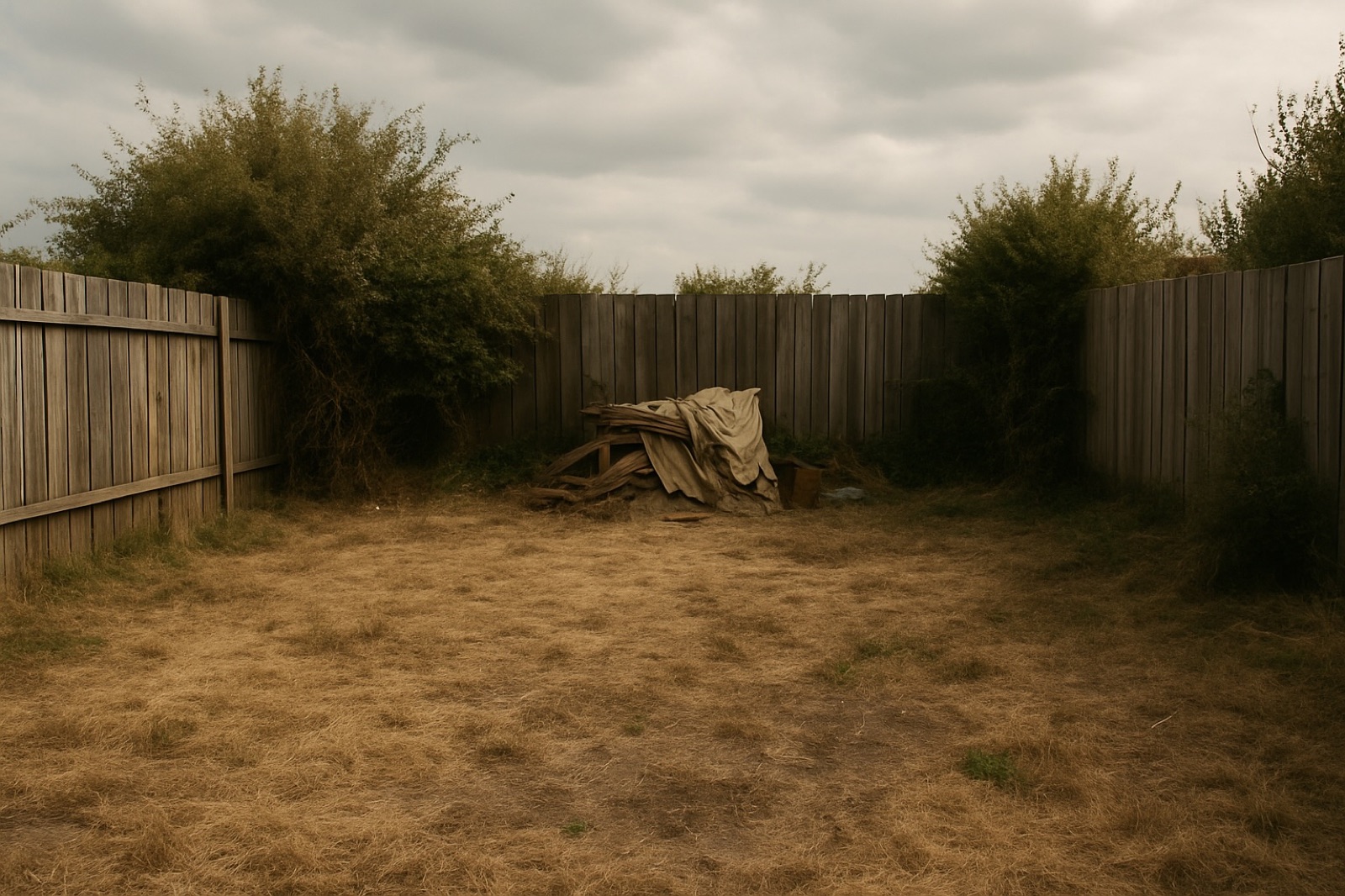
A landscaping image can make a project feel real, but it cannot tell you what a contractor will charge. To budget more responsibly, connect the proposed design to the actual work it implies. Is the new look mostly planting and mulch? Does it add paving, lighting, a deck, or a water feature? Each choice changes both material and labor needs.
Start with the scope, not a single number
Look at your current yard and separate what stays from what changes. Mark the areas that need removal, grading, drainage, new surfaces, planting, irrigation, electrical work, or structures. A small visual change can involve substantial hidden preparation. Conversely, keeping sound existing hardscape may reduce the scope of a makeover.
Measure the areas you can: approximate paving area, lawn area, border lengths, and the number of major plants or fixtures. If you do not know exact dimensions yet, write down your assumptions. An estimate is only as useful as the scope behind it.
Build an itemized first-pass budget
Group the project into categories you can compare: site preparation, hardscape, plants and soil, irrigation, lighting, structures, and labor. For each category, note the quantity, likely material, and whether specialist installation is needed. This makes it easier to revise a design when one element stretches the budget.
Where iYard helps: Upload a yard photo, create an AI landscape concept, and review an itemized cost estimate for visible design elements. It is a planning starting point—not an inspection, fixed bid, or guarantee of final price.
For example, a concept with a new patio, planting beds, and accent lighting should not be treated as one vague “yard makeover” line. The patio surface, base preparation, edging, plants, fixtures, and installation are different decisions with different costs.
What can change the final price?
- Site conditions: access, slope, drainage, existing utilities, and what must be removed.
- Material choices: natural stone, concrete, timber, composite, and plant sizes can produce very different totals.
- Local context: availability, labor rates, permits, and seasonality vary by location.
- Project definition: exact area and construction details often become clear only after a site visit.
Use the estimate to ask better questions
Take the concept and breakdown to local professionals. Ask which assumptions are realistic, what site work is missing, and whether a lower-cost material or phased installation would meet the same goal. Request written quotes using a comparable scope so you can understand why bids differ.
The best early estimate does not pretend uncertainty is gone. It helps you decide what to explore, what to measure, and where to get a professional price. If you are still choosing the look, read our guide to designing a landscape from a photo before settling on a budget.
See the design—and a cost estimate.
Explore a yard concept in iYard, then use the breakdown to plan the next conversation.
Download iYard ↗